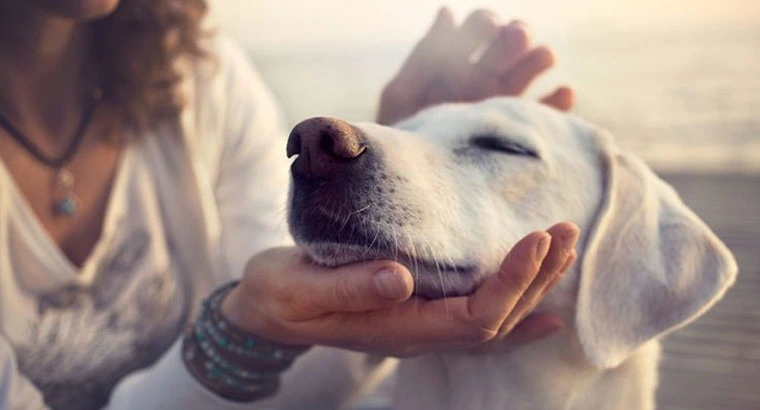
Having a pet in our home involves a series of responsibilities related to its care and attention that we should be aware of. Below are some recommendations regarding these aspects:
1. CHOOSING A PET AND BRINGING IT HOME
The first thing you should ask yourself is whether you are willing to adopt an animal and if it is right for you. To do this, you must be prepared to dedicate some of your time to the new pet, be patient and persistent, share some of your free time with the animal, and know how to act firmly in response to its behavior. It is important that the whole family agrees.
The accessories you should acquire before bringing the new animal home are a bed, food and water bowls, and accessories such as a leash and collar for dogs and a plastic litter box for cats. You will also need a toiletry bag containing combs or brushes, wet wipes for cleaning eyes and ears, and nail clippers.
2. FEEDING
It is very important for our pets to have a balanced diet that meets their energy needs and provides the appropriate nutrients. Ideally, both dogs and cats should eat dry food or regular food made by responsible companies, adapted to each stage of growth and their specific needs. They should never eat raw food, as this could be a source of parasites. It is advisable to prevent obesity. A healthy animal should have palpable ribs and an hourglass shape when viewed from above. Exercise and the correct amount per day is important.
3. HYGIENE
Bathing: Experts disagree on the frequency of bathing. In general, it should be at least once a month. Some authors suggest bathing as needed, for example, when the fur is dirty. Although cats are generally less tolerant of baths than dogs, it’s possible to get your kitten used to them.
Brushing: The best way to maintain their hygiene without irritating their skin is through daily brushing.
Ears: They should be cleaned with gauze. There are specific products available; apply them to the ear canal and massage the area, then clean with gauze.
Nails: In dogs whose nails don’t wear down properly, they need to be trimmed, especially the spurs. For cats, there are scratching posts on the market to help them keep their nails in perfect condition.
Dental check: Gently pressing on the jaw joint with your fingers will make your cat open its mouth, allowing you to check the condition of its teeth. Teeth are cleaned naturally by chewing dry food or special toys. Tartar and bad breath should be treated by a veterinarian.
4. TRAINING
Dogs are social and hierarchical animals: this means that from puppyhood they need to learn and accept their “place” in the family and outside of it (at the park, in the presence of strangers at home, in common places like the veterinary clinic, at relatives’ houses, etc.). There is a crucial period in behavioral development called the “sensitization period,” which lasts from 3 to 10 weeks, during which the puppy must assimilate everything that happens in its environment. Socializing a dog helps it accept other animals, both of its own species and others, and habituation enables it to cope with the environmental stimuli it will encounter throughout its life. We must teach them basic rules of coexistence by teaching them very simple obedience behaviors. To do this, say their name before giving a command, using a short phrase. Always use positive reinforcement. For example, if they pull on the leash, shorten the distance and reward them when they don’t pull. Teach them “sit” by gently pressing on their rear end, and to make them lie down, you can press down on their back and pull their front legs forward.
If you adopt an adult dog, they need a few weeks to adjust to their new environment and family, and you need to be patient while they get to know their surroundings. Cat language is more complex, although there are typical postures that are instinctive and easy to recognize (hiding under something, stretching and yawning, hunting posture, etc.). Cats also have body language, vocalizations that we must learn to understand, and a marking instinct through urine elimination. That marking behavior by either cat or dog, usually disappears after they have been spayed.
5. STERILIZATION
Female dogs can have their first heat between 6 and 10 months of age. Female cats can have several heat cycles in a row, and their cycles are influenced by ambient temperature and sunlight. In stray situations, this results in many unwanted animals, which are at risk of abuse, being hit by cars, and poisoning.
All our rescued animals are sterilized before adoption. Sterilization is a surgical procedure that involves the total or partial removal of the reproductive organs and is performed on both males and females. This procedure increases their quality of life and life expectancy, as it reduces the possibility of developing uterine infections, tumors, and diseases of the reproductive organs.
Sterilization or castration is performed for three reasons: to prevent unwanted pregnancies, to prevent the development of the diseases, and to control or eliminate behaviors related to sex hormones.
6. VETERINARY VISITS
In general, both cats and dogs need to be dewormed and vaccinated. Your veterinarian will establish the vaccination schedule; the doses depend on the company’s recommendation for most vaccines in adult animals, while for puppies, the schedule will vary depending on the specific protocol.
As a general rule, and in the absence of any symptoms of illness, you should visit the veterinarian at least once a year.
It is important that during this visit, a complete physical examination is performed. Take note of the veterinarian’s recommendations.
If you notice that your pet is not eating or seems lethargic, take it to the veterinarian. When you go to the veterinarian, note any abnormal symptoms you have observed in your dog or cat. In the case of cats, transport them in a carrier and do not let them roam freely in the waiting room.
7. PHYSICAL EXERCISE
For your pet to be healthy and fit, it should exercise regularly. However, you should avoid the hottest hours of the day, as dogs tend to sleep during these times. In addition, like people, dogs suffer injuries, strains, and sprains, so their physical activity must be monitored to ensure they don’t overdo it or engage in dangerous activities.
Exercise is necessary to allow dogs to express normal canine behaviors, such as exploring, following scent trails, etc. This time can also be used to improve training and strengthen the bond between pet and owner.
Cats need formal exercise, which they find outside the house (patios, gardens, etc.). When a cat remains indoors continuously, the owner must provide the animal with play activities that satisfy its physical and mental needs.